

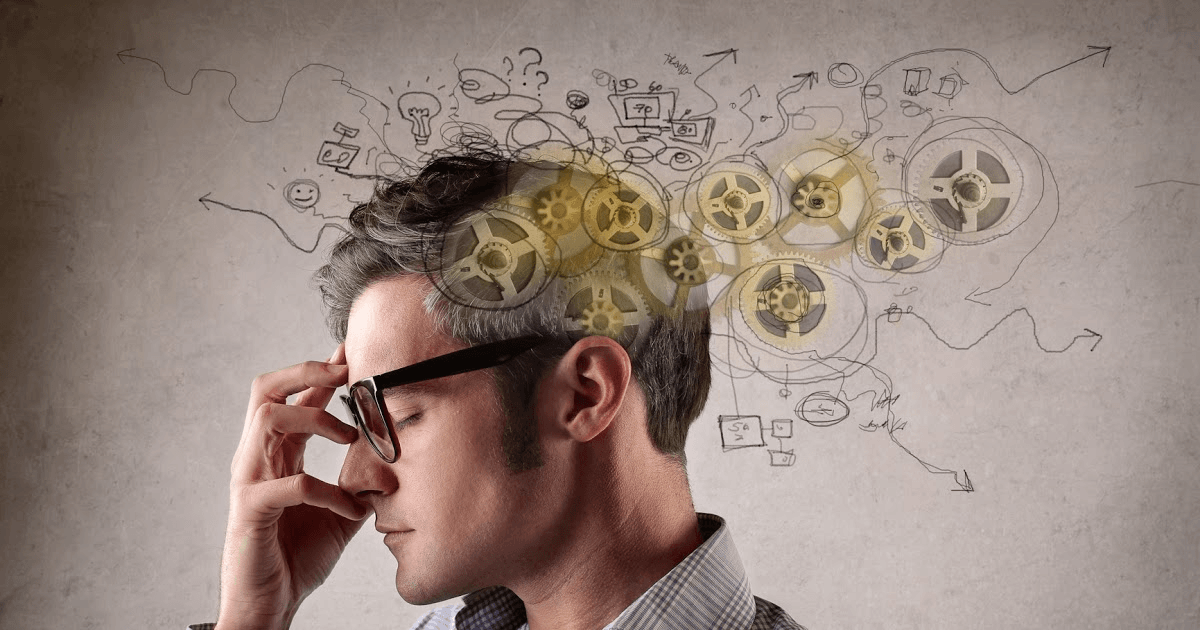
Our brains naturally prefer to create simple rules to avoid having to think too much. These shortcuts are known as cognitive biases.
As a metaphorical example, almost no one is interested in discovering Hitler’s positive qualities or Mandela’s flaws. In just a few seconds, we often decide once and for all what is good and what is bad, without taking the time to look beyond the visible tip of the iceberg.
Simply reading a headline or a slogan is often enough for us to believe we fully understand an issue. We become unwaveringly pro-Palestine or pro-Israel, for or against climate change, supporters or opponents of a political party—as if anything or anyone could be entirely good or entirely bad. We have gradually lost our ability to recognize nuance and accept that reality is rarely just black or white.
Wisdom and maturity remind us to step back and, above all, take the time to understand before forming an opinion. The devil is often in the details, yet we regularly express strong views on subjects whose details we barely know.
- What do we truly know about climate change?
- What do we actually know about Buddhism—or any other belief system?
- What factual knowledge do we have about the politicians we discuss but have never even met?
And beyond that:
- Why do we judge those who think differently from us?
- Why should we assume that we are right and others are wrong?
- What makes our opinion more accurate or more valid than someone else’s?
The truth is that billions of people all believe they are right.
With these thoughts in mind, I encourage anyone who is willing to take the time to appreciate the extraordinary complexity hidden behind things that seem so simple at first glance. A healthy dose of humility is essential if we are to recognize—and accept—how much we still do not know.
That realization opens the door to learning, education, and ultimately, wisdom. After all, no one is more ignorant than the person who believes they already know everything.
Karim Kadiri
January 12, 2020
For workshops on this topic and many others, please contact Nadia Tazi at +212 661 315 337.